

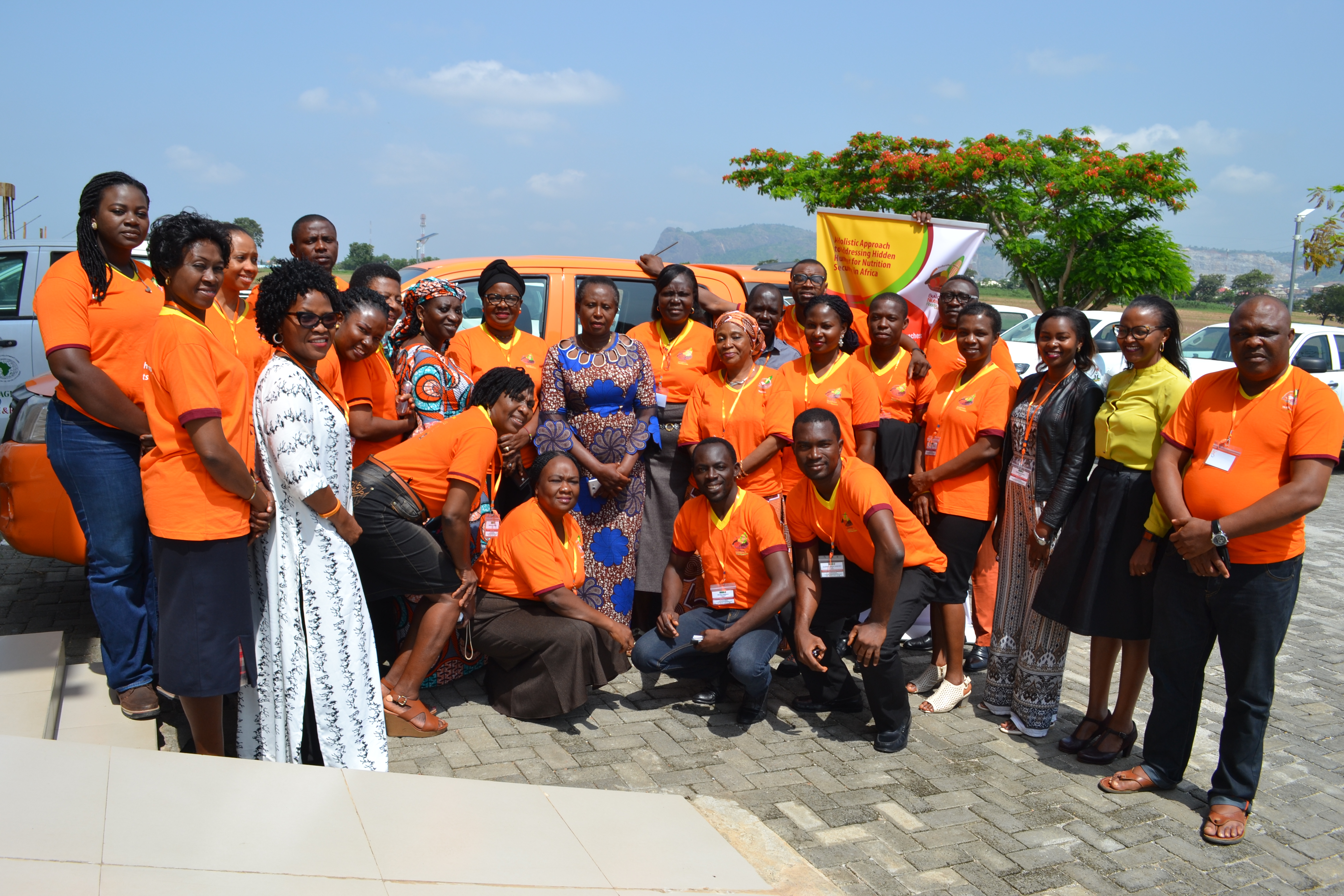
Here’s to me saying goodbye to micronutrient deficiency one child, one woman at a time…..
I love biofortification and the various options it offers, its role in ensuring a micronutrient deficiency-free world and the wealth hidden within it; the investment opportunities are endless (I heard a lot of farmers are millionaires already). For instance, its not just a potato but a natural potato enriched with vitamin A; great for Amala, chips, cake, garri, porridge, bread, chin chin, potato juice, doughnut and extra edible leaves great for vegetable soups and stews.
Biofortification for the orange fleshed sweet potato is not GMO! It is simply the process of increasing nutritional value of crops by increasing the density of vitamins and minerals (iron, vitamin A or Zinc) in a crop (like potato) through conventional plant breeding. This process could take years!
Same as other crops in the Nigerian markets, the PVA Maize; Maize enriched with vitamin A and the PVA cassava; Cassava enriched with vitamin A.
Why do we need to biofortify our crops and why should we eat biofortified crops?
Almost a quarter of people suffer from micronutrient malnutrition or ‘hidden hunger’. Many women of reproductive age and young children suffer from deficiency of Iron, vitamin A and Zinc and these can result in weak immune system, visual impairment, poor cognitive ability, retarded growth and reproductive potential and increased risk of diseases. And so, eating food biofortified with these essential vitamins and minerals helps us to get more into our bodies so that we can live fulfilling lives. Amazingly, it is cost effective and there is never such a thing as too much!
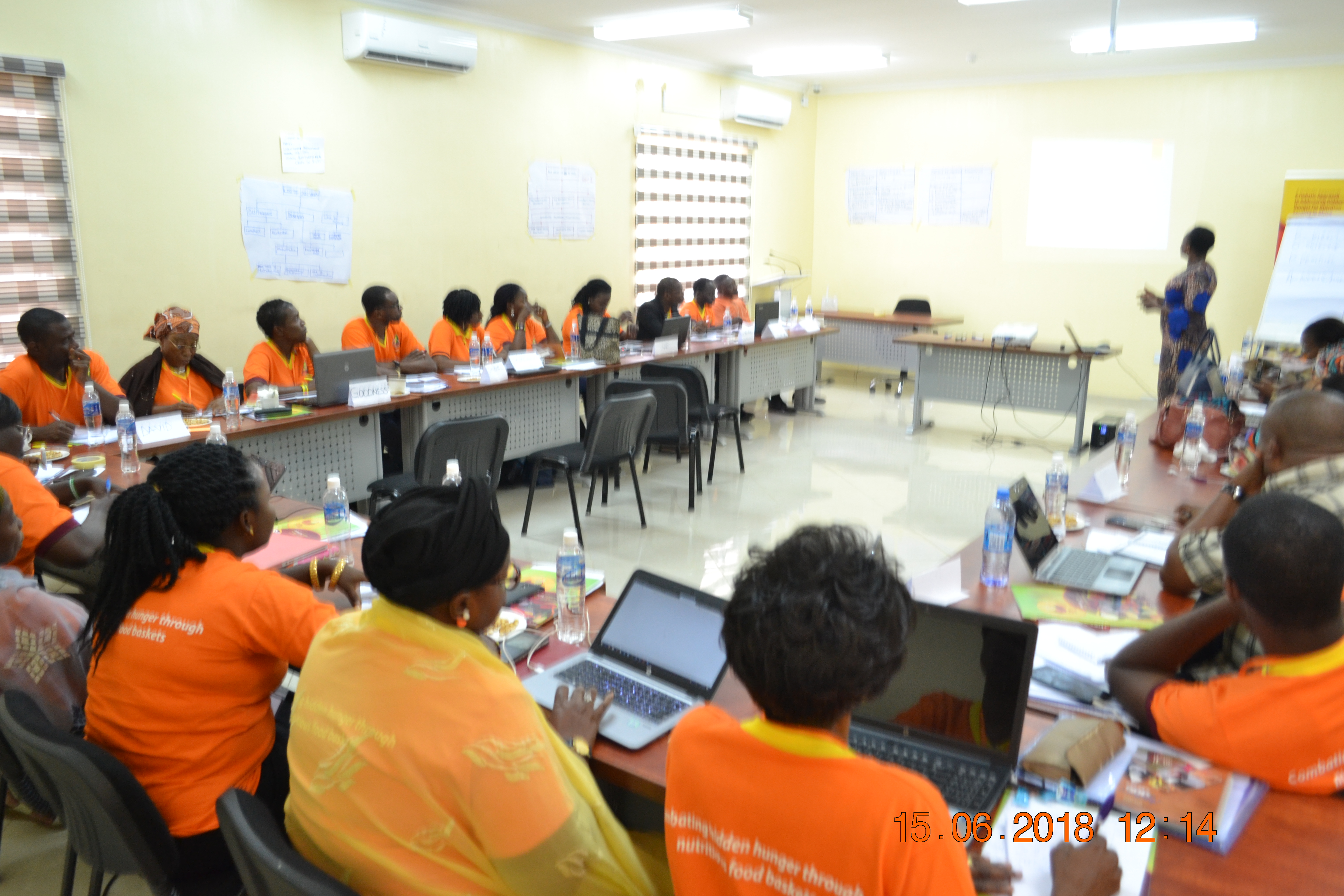
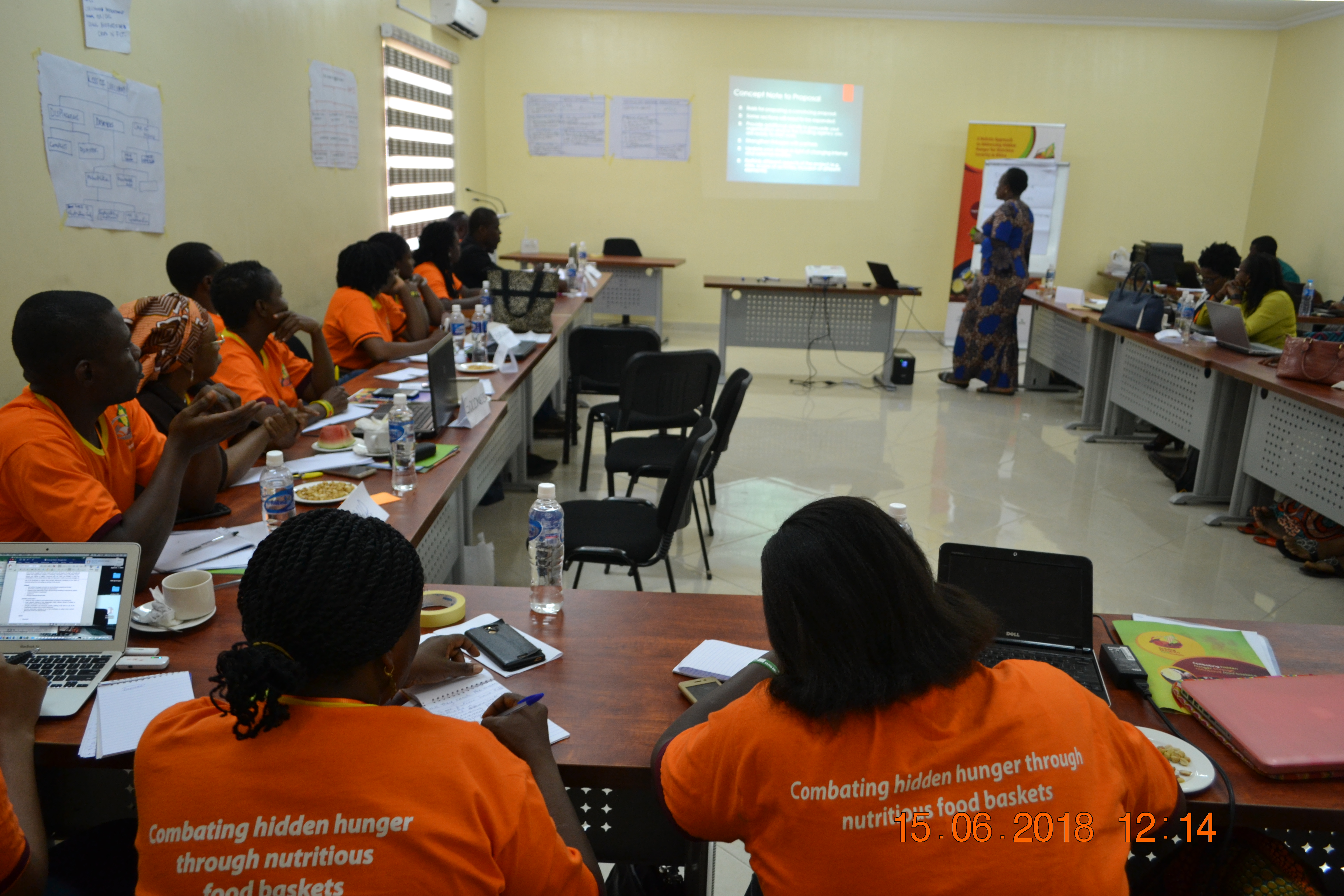 The last three days was beautiful! I sat down with some great people and amazing facilitators for a workshop on engendered project planning, implementation, monitoring and evaluation for biofortified crops. During the workshop, we were encouraged to discuss thoroughly and openly share experiences related to writing project concept notes, proposals, dealing with partners and donors, developing and managing projects.
It is expected that participants will submit proposals on how they plan to scale up projects around biofortification in Nigeria. It was indeed a time to reflect on how we can change our community with just little knowledge. You know what they say about little drops of water right?
On my blog, be sure to see more recipes from biofortified crops for the family and especially for kids, more community engagements and awareness creation around the benefits of use of biofortified crops and proposal development around same.
I’ll love to take you on my journey……join me and let’s go!


 Jayne Whyte's Portfolio
Leave a reply to jaynewhyteonline Cancel reply