
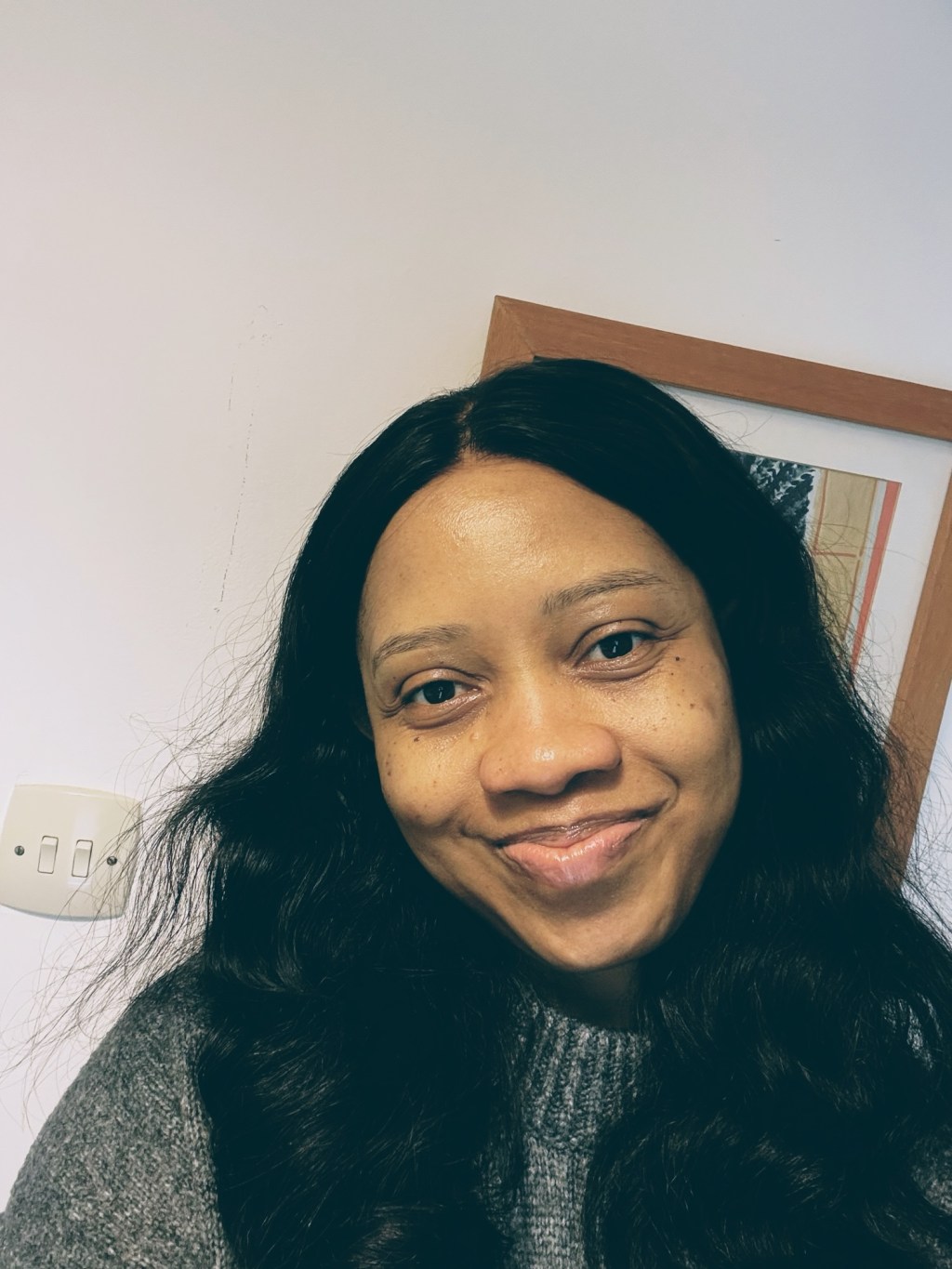
Speaking never came naturally to me in the way people assume it should. I struggle and have struggled and am still struggling. This does not mean in anyway that I am deficient or not enough. Let me share a little about it.
I am the second of five siblings, the quiet one by reputation and by habit. While my parents, sister and brothers filled rooms with words, I learned to occupy silence. A series of traumatic experiences and abuse in my early years made speaking feel risky. Words did not always feel safe. Interacting with others felt like stepping onto unstable ground. Compared to my siblings and peers, conversation often seemed like a performance I had not rehearsed for. Sometimes I wonder how I made friends. Quite some friends I had those days while I was at school, and maybe it was my smile. My smile was the attraction.
Growing up in a typical African household, where hierarchy, respect, and restraint shaped daily life, reinforced that tendency. Children were often expected to listen first and speak later, if at all. For me, that expectation did feel restrictive, but it felt familiar. Being a natural introvert added another layer. I was already inclined to observe more than I spoke. Silence became a shield and a classroom. I learned to read moods, pauses, and the weight behind words. Listening was not just what I did. It was how I survived, understood, and slowly built human connections. Maybe attracted men who suppressed my ability to speak, to share and to unburden.
Today, everyone wants to be heard. The world feels louder than ever. Every space is saturated with unsolicited advice, opinions, commentary, reactions, and declarations. Social media platforms reward speed and volume. Meetings reward those who speak first. Conversations often resemble contests rather than exchanges. Everyone wants to be heard. Very few are truly listening.
Many people are not listening to understand. They are listening for their turn to speak. While someone else talks, the mind is already drafting rebuttals, stories, or advice. The result is communication that looks active but feels empty. Words pass between people without landing.
True listening asks more of us. It requires patience and presence. It asks us to suspend our inner commentary or judgement, long enough to receive what is actually being said. That includes listening to ourselves. Many of us move without checking in with our own thoughts and emotions. We react before we understand our internal signals. Practising self-listening creates space for clarity. It helps us separate impulse from intention.
Listening to others is equally demanding. It means hearing not only the words, but the hesitations, tone, and what remains unsaid. People rarely communicate in perfect sentences. Feelings leak through pauses and repetition. When we listen with patience, we allow others to feel seen. That alone can change the temperature of a conversation.
There is also a quieter form of listening that extends beyond people. We listen to patterns. Patterns in our habits, relationships, work cycles, and emotional responses. They are signals. When ignored, they repeat louder. When observed, they teach. Listening to patterns helps us notice what drains us, what restores us, and what consistently leads to growth or harm.
One of the hardest skills is listening without preloading a response. It feels counterintuitive in a culture that prizes quick thinking. Yet the most meaningful exchanges often happen when we allow a small gap between hearing and speaking. That gap is where understanding forms. It is where empathy lives. It is where thoughtful responses replace reflexive ones.
Although my early silence was shaped by fear and temperament, it has evolved into something intentional. Listening is no longer just a protective habit. It is an active choice. It is how I build trust, learn, and connect. In a noisy world, listening is a quiet act of respect. It signals that another person’s experience matters enough to hold our attention.
We often chase better words, sharper arguments, and more persuasive voices. Yet many of our personal and collective tensions would soften if we simply listened more. Not to fix immediately. Not to impress. Just to understand. Listening does not make us passive. It makes our eventual words more precise, humane, and grounded.
Listening, at its best, is participation without domination. It is the art of making room. making room for others and for ourselves.
For years, I had a listening ear, someone who listened. It kept me sane and away from taking my own life.
Listening is a soft door left open
A pause where meaning can arrive
It is the space between heartbeats
Where another voice is allowed to live
It asks nothing loud of us
Only stillness and honest attention
In that quiet exchange
We remember how to meet each other
Cheers!
 Jayne Whyte's Portfolio
Leave a comment