

This year, I found myself joining a virtual wellbeing group set up by a friend on WhatsApp. A small community of young women who want to develop and sustain a healthy lifestyle and need to be held accountable. I’m not quite great with communities, but I thought it would be nice to belong to an accountability group as I was getting serious about my wellbeing and hoping someone else would benefit from my years of experience in goal setting and life planning. I’d say to myself, if it worked for me, it could work for another woman.

Yesterday, we met for the first time, albeit virtually, which was cool. My friend who hosted the meeting did a fantastic job organising fun games and kept us engaged with discussion points, one of which was ‘what does wellbeing mean to you?’ I enjoyed listening to everyone talk about self-care, putting themselves first, distancing themselves from negative energy, taking deep breaths, going for walks, practising yoga, sleeping more, and openly sharing what they know and how it has shaped their lives.
When it was my turn, I talked about how, over the years, I had put myself at the centre, as opposed to putting myself first, and how it had worked for me. I hope to share this here and explain how this method has helped me, and hopefully, it can help someone else as well. The key difference between putting yourself first and putting yourself in the centre is primarily in the framing and intention. I’ll try to explain clearly.

Putting yourself first often implies a hierarchy of priorities. It suggests that your needs, desires, and wellbeing are more important than anyone else’s. It can be interpreted as a zero-sum game (learnt this in my peace and conflict class): “I win, you lose.” This approach is often reactive and can come from a place of scarcity or burnout and you’ll find yourself sometimes saying “I have to put myself first because no one else will”.
Putting yourself in the centre implies a structure or ecosystem. You are the central point from which everything else radiates. It’s not about being above others but about being the source of your own energy and stability. It’s a proactive approach rooted in self-awareness and sustainability. I consider this more effective for long-term and sustainable wellbeing.
Being at the centre ensures that you recognise yourself as the primary resource for everything you do. By meeting your own core needs (sleep, nutrition, mental peace, solitude), you have more energy, patience, and capacity to give to others without resentment or exhaustion. I’m sure you have heard this saying “You can’t pour from an empty cup”.

Centring yourself allows you to set boundaries from a place of self-respect rather than selfishness. It’s not “I won’t help you,” but “I need to ensure I’m okay so I can help you effectively.” This leads to healthier relationships.
When you are the stable centre of your world, you give to others willingly from your surplus, not sacrificially from your deficit. This eliminates the familiar feeling of “I do everything for everyone and no one does anything for me.” Thereby reducing resentment.
Additionally, placing oneself at the centre means that decisions are made based on the individual’s core values and what is truly important, rather than being influenced by external pressures or a need for validation. This leads to a more authentic and fulfilling life.
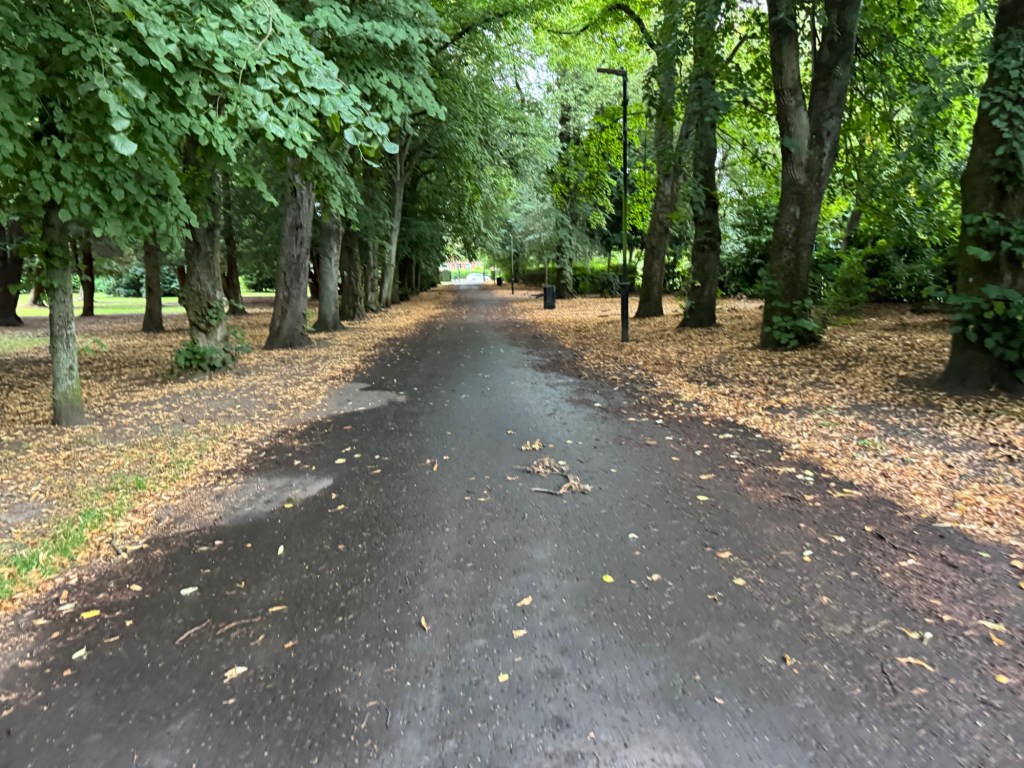
Being the centre creates a strong foundation from which you can connect deeply with others. You engage with people because you want to, not because you need them to complete you or validate your existence. Compared to putting yourself first, which is like putting a wall around yourself, prioritising yourself is more effective.
Unfortunately, putting yourself at the centre is not a one-time check-in. It requires daily check-ins and conscious choices.
Putting yourself in the centre is like building a strong, stable home within yourself. From this home, you can welcome guests, go out to work, and engage with the world, knowing you always have a safe place to return to for rest and rejuvenation. It’s the foundation for a life that is both personally fulfilling and generously connected to others.

In practice, it could look like this: Instead of saying “I can’t help you move because I need to put myself first,” (which can feel rejecting), the centred approach is: “I need to ensure I get enough rest this weekend to function well for my week ahead. I can come for two hours on Saturday morning to help you get started.” This honours your need while still offering connection and support.
Does this make sense to you? Is this something that resonates with you in terms of what wellbeing means to you? And if it doesn’t, are you willing to give it a try? Remember, it’s a step at a time, and it’s your journey. Not anyone else’s.
Cheers!

 Jayne Whyte's Portfolio
Leave a comment