
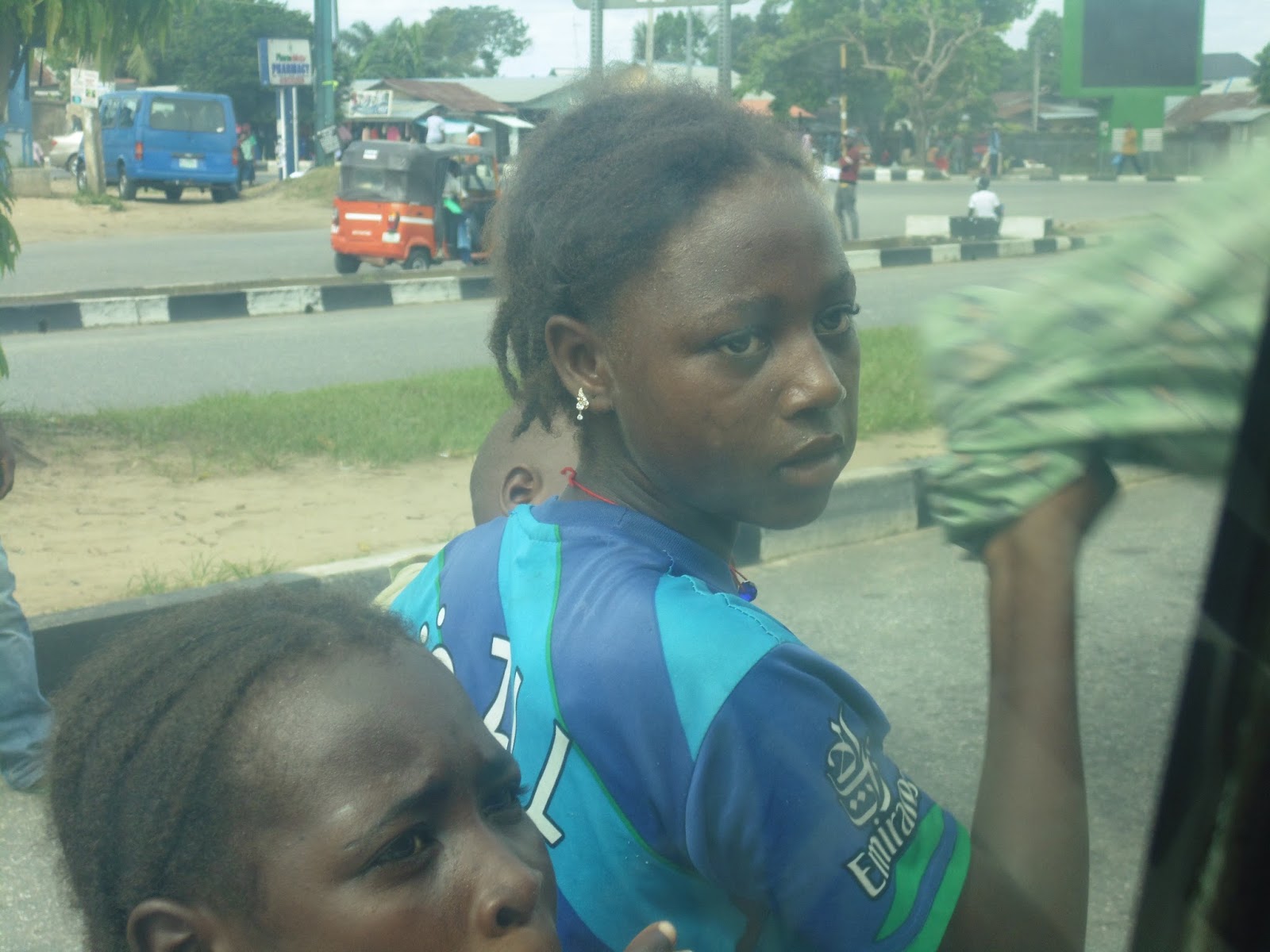
Teenage girls around the world face more and greater challenges than their male counterparts. In many countries, a girl who reaches puberty is deemed by her family and community as ready for marriage, pregnancy and childbirth. She may be married off and forced to leave school. She may suffer a debilitating condition from delivering a child before her body is ready for it. She may be denied her human rights.
Without education, in poor health, and with little or no control over her own body, her future can be derailed, and her potential may never be realized. The challenges and obstacles faced by a teenage girl multiply if she is a member of an ethnic minority, lives in a village and is from a poor household.
But when a teenage girl has the power, the means and the information to make her own decisions in life, she is more likely to realize her full potential and become a positive force for change in her home, community and nation.
Policies and investments in education and health that empower teenage girls and create economic conditions that lead to jobs are particularly important in countries with large, emerging youth populations. Such countries stand to realize a demographic dividend, which has the potential to bolster and speed up economic growth.
A demographic dividend is a boost in economic growth that occurs when there is a larger number of a person of working age than those below or above working age. Maximizing the dividend depends on the empowerment, education and employment of the people, together with higher savings and investment in productive resources.
Every teenage girl has the right to a safe and successful transition into adulthood and the right to embrace the opportunities that the future holds for them. UNFPA, your United Nations Population Fund, is committed to promoting and protecting these rights and to supporting teenage girls to determine their own destinies.
Policymakers play an important role in ensuring that human rights are universal and thus enjoyed by all, including teenage girls, who worldwide face obstacles to their rights to education, health and freedom from violence. Communities, non-governmental organizations, youth-led groups, activists, faith-based institutions and girls themselves also have a vital role to play in shaping policies that affect their lives and in making sure that these policies are translated into real, positive transformation.
Quote from the Executive Director
“The new development agenda calls on us to leave no one behind. To reach those furthest behind, leaders and communities must focus on and stand up for the human rights of the most marginalized teenage girls, particularly those who are poor, out of school, exploited, or subjected to harmful traditional practices, including child marriage. Marginalized girls are vulnerable to poor reproductive health and more likely to become mothers while still children themselves. They have a right to understand and control their own bodies and shape their own lives.” Dr. Babatunde Osotimehin
Key message
The success of the new sustainable development agenda depends on how well we support and invest in teenage girls
The new 2030 Agenda for Sustainable Development is an unprecedented opportunity for teenage girls to claim their rights, realize their aspirations and transform our world. When countries invest in the health and education of their youth, especially teenage girls, and create opportunities for them to realize their full potential, they are also better positioned to realize a demographic dividend, which can propel economic growth to combat poverty.
What is UNFPA doing?
UNFPA supports countries’ efforts to empower teenage girls by protecting human rights and universal access to information and services, including sexual and reproductive health care. UNFPA also vigorously advocates ending harmful practices, such as child marriage and female genital mutilation.
In 2015, UNFPA programmes helped 11.2 million girls between the ages of 10 and 19 gain access to sexual and reproductive health services and information. As of last year, 73 countries had developed or implemented comprehensive sexuality education programmes, which are accessible to teenage girls and boys in and out of school. Also, as of 2015, UNFPA had helped 89 countries develop or implement laws and policies to enable teenage girls to get sexual and reproductive health services, regardless of marital status.
What the data show
Number of girls in 2015 who report having been married by age 18, by region
Asia and Pacific: 59 million
East and Southern Asia: 8 million
West and Central Africa: 8 million
Arab States: 3 million
Eastern Europe and Central Asia: 1 million
Number of girls between ages 15 and 19 who give birth each day in developing countries
Estimated number of unsafe abortions among girls 15 to 19
Percentage of girls who had sex before age 15 and say it was coerced
Leading cause of death among girls between the ages of 15 and 19
Second-leading cause of death among girls between the ages of 15 and 19
Suggested activities for World Population Day
In the wake of the interest generated by the Day of 5 Billion, marked on 11 July 1987, the then-UNDP Governing Council and, later, the United Nations General Assembly recommended that 11 July be observed annually as World Population Day. Each year since 1990, UNFPA offices, host governments and communities have observed World Population Day and raised awareness of important population and development issues.
Where feasible:
- Give teenage girls a voice! Invite teenage girls to talk or write about the challenges they face and how they are confronting them.
- Launch social media campaigns to amplify awareness of teenage girls’ needs, including sexual and reproductive health information and services.
- Let media know about the successes of youth-led organizations: develop press kits and hold press conferences to get the word out.
- Invite government officials to make public statements about the need to invest in teenage girls.
- Publicize success stories of programmes that help girls delay marriage and pregnancy and avoid HIV.
- Hold intergenerational workshops, debates and seminars on the rights of young people
- Involve the most marginalized and most in need girls (with appropriate protections).
- Emphasize the benefits to development of investing in education for girls, and sexuality education.
- Highlight the positive steps taken towards young people’s needs and rights in your country, and needed action.
- Write and publicize success stories about sexual and reproductive health and rights showing positive results.
 Jayne Whyte's Portfolio
Leave a comment