
How would you feel if someone who just got out of the restroom gives you a hand shake? or gives you a cup of water? would you want to shake his or hand/ or would you rather keep your hands to yourself? How often do you wash your hands in a day? How well do you do you over see the preparation of the meal you eat or prepare for your loved ones. The basic act of cleanliness is hand washing which is key in preventing germs and the spread of bacteria. we buy roasted corn on the streets, roasted beef (suya), ‘pure’ water and ‘mama put’. Do we always think that these food are really safe to eat? I have this colleague who goes to the toilet (public) with his mobile phones and I keep asking myself “what is he thinking?”…..
The theme for this year’s event is on FOOD SAFETY with the slogan “From farm to plate; make food safe”. Unsafe food containing harmful bacteria, viruses, parasites or chemical substances cause over 200 disease ranging from diarrhea to cancers
WHO estimate that food borne and waterborne diarrhoeal diseases kill an estimated 2 million people annually with 40% occurring in children and that safe and nutritious food is necessary for the growth of infants and children and the well being of pregnant women.
Unsafe food can cause repeated disease in children and significantly affect their developmental milestones. Every step must be taken; from the farm, transportation, processing, production, and preparation to guarantee not just the health of these vulnerable but that of the general population.
The economic implication of treating food borne diseases, the man-hour lost, disabilities and death is unquantifiable and Government must at all levels create enabling environment for multisectoral dialogue and coordination especially between health, agriculture, trade and environment sectors for the protection of the food chain.
Awareness about the need to protect the food chain must be consistent to ensure food is safe for consumption and civil society organization and customers must ask pertinent questions relating to hygienic situation of abattoirs, food labels and inspection of food premise
In Nigeria, regulatory agencies like NAFDAC and SON must ensure food is protected from contamination at all times.
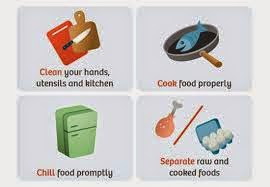
Therefore we must ensure that:
-
Food and environment must be kept clean
-
Separate raw and cooked food
-
Cook food thoroughly
-
Keep food at safe temperatures
-
Use safe water and raw material
Enjoy!
 Jayne Whyte's Portfolio
Leave a comment